
The Human Face of Big Data: Why Buyer Personas are the Missing Link in Category Strategy?

- Author Image:

In the age of AI dashboards and real-time POS analytics, it is easy to fall into the "Data Trap." We measure turnover, penetration, and margin with surgical precision. We track price elasticity and brand share across thousands of stores. But behind every data point is a human being with a story, a motive, and a specific set of barriers.
The truth is: Data tells you what happened, but Buyer Personas tell you why.
In my experience working with over 430 retail and brand teams, I have seen a consistent blind spot. We optimize categories for performance, but we forget to optimize them for people. Within the Category Mastery Framework 360° (CMF360°), Buyer Personas are not just a marketing tool—they are the foundation of a high-conversion retail strategy.
Beyond Demographics: Defining the Modern Shopper
A Buyer Persona is not a dry statistic like "Female, 35–45." In the CMF360° model, we build research-driven profiles that capture the Shopper’s Mission.
Take "Anna," for example. She isn't just a demographic; she is a working mother of two, shopping at 5 PM. She is exhausted, her cognitive load is at its peak, and she is looking for convenience, value, and peace of mind. If your shelf layout requires her to hunt for ingredients, you haven't just failed a sale—you've failed her mission.
The Missing Piece: Behavioral Economics in Personas
To truly optimize for Anna, we must understand the "Pain of Paying" and "Decision Fatigue." By adding behavioral insights to our personas, we can design categories that reduce the mental effort required to buy, leading to higher loyalty and larger baskets.
CMF360° in Action: Turning Personas into Profit
How do we transform these profiles into a tangible floor strategy? Here is how the Framework activates personas across the retail mix:
1. KPI Selection Based on Shopper Reality
Old Way: Focus on gross margin and stock turn across the board.
CMF360 Way: Measure what matters to specific segments.
For "Julia" (Gen Z): Track the rotation of eco-certified and functional products.
For "Maria" (Senior): Measure the share of ergonomic, easy-to-open packaging in her basket.
2. Planogram Architecture That Follows the Eye
Old Way: Place top sellers at eye level regardless of the user.
CMF360 Way: Align shelf height with the physical and psychological profile of the shopper.
Kids: Bottom shelves with high-contrast, playful visuals.
Seniors: Middle-upper shelves with clear, high-contrast labeling and trusted legacy brands.
3. Promotion Planning with Emotional Precision
Old Way: "2+1" or "10% off" on everything.
CMF360 Way: Design incentives that speak to persona-specific values.
The Family Planner: Bulk savings and multi-buy family packs.
The Impulsive Professional: Bundle deals that solve a meal dilemma (e.g., pasta + sauce + wine).
The Buyer-Manufacturer Synergy
For the Buyer, personas provide a shield against "margin-killing" negotiations. When a manufacturer suggests a new listing, the Buyer shouldn't ask "What is the discount?", but rather: "Which of our core Shopper Personas does this SKU serve, and what mission does it complete?"
When both parties speak the language of personas, the relationship shifts from a zero-sum game over price to a collaborative effort to grow the category.
The Psychology of the "Zero Moment of Truth" (ZMOT)
Research shows that most shoppers decide on a brand within seconds of reaching the shelf. By using Buyer Personas, we can optimize the Visual Cues that trigger a "Yes" in those few seconds. This is the difference between a shopper who feels "sold to" and one who feels "understood."
CMF360°: Turning Personas Into Living Insights
The retail world is shifting fast due to inflation and digitalization. In the CMF360° framework, personas are not static templates—they are dynamic insights refreshed through:
- Heatmap analysis of store foot traffic.
- Social listening to capture changing lifestyle trends.
- Behavioral analytics from loyalty programs.
Final Thought: People Buy, Not Data
In every retail business, the temptation is to chase the numbers. But loyalty is built on empathy, not algorithms. The brands and retailers who win in 2026 and beyond will be those who recognize that the most important "listing" is the one you secure in the shopper's mind.
Are you designing for a spreadsheet, or for a human being?
Transform Your Category Strategy
This article is based on the methodology detailed in my latest book: "Profitability Synergy – Category Management as Shared Value for Retailers and Manufacturers."
If you need help building research-backed personas or activating your team to think like a shopper, let’s connect. We turn insights into measurable impact at the shelf.
[Book a CMF360° Strategy Audit for your Team]
You May Also Like

You know the setting. Glass walls, a panoramic skyline, and a boardroom table polished to a mirror finish. On the other side sits the Buyer of a major international retail group—the person whose signature determines whether your next quarter accelerates or collapses.
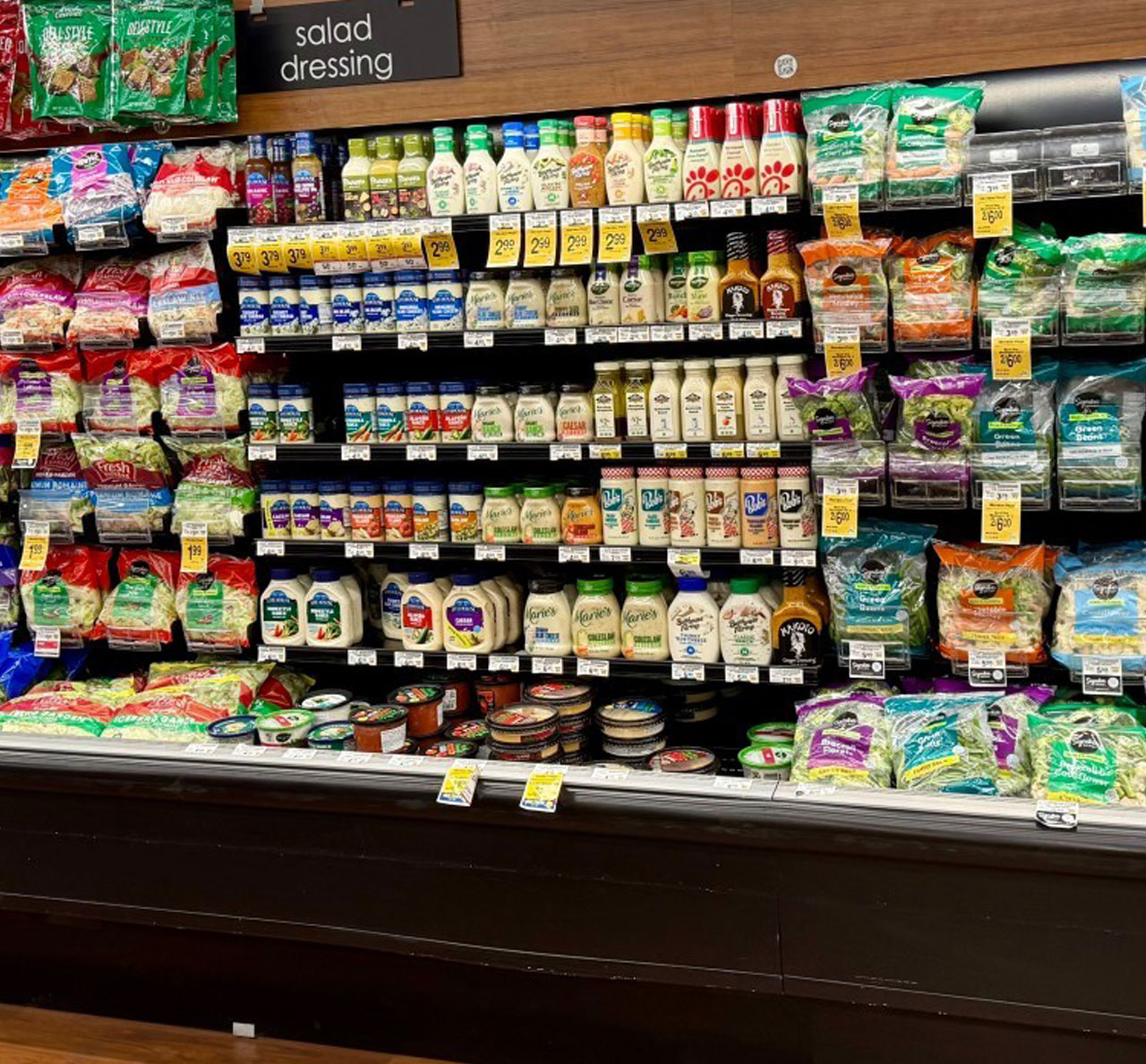
It started as a quick lunch run. But standing in front of the "Salad Dressing" section, I realized I wasn’t just looking at an aisle—I was witnessing a perfectly orchestrated sales symphony. From the lettuce mixes to the toppings and dressings, every element was aligned to simplify the journey and maximize category value.
Quick Link
Contact Us
Roman Szymczak - TM360 Ltd
Aleja Jana Pawła II 27
00-867 Warsaw, Poland